
Mexican Food Names A–Z: Meanings, Pronunciations & What to Try
Ever paused mid-order because you weren’t totally sure how to say the word? A menu feels a lot easier when we know what we’re looking at, and Mexican food names can be delicious, a little tricky, and absolutely worth figuring out.
This guide helps you understand what these foods actually mean, how to pronounce them without panic, and what to try first from the menu, one bite at a time.
Why Mexican Food Names Tell You More Than You Think
Ordering gets easier when we know what the name means and how to say it, and most of these names describe the cooking method, the main ingredient, the shape, or the region.
Once we know what the dish means, it becomes less mysterious and more interesting, but Mexican cuisine is deeply regional, so the same dish can shift depending on where we are.
The Pronunciation Cheat Sheet We Actually Need
Pronouncing Mexican food names can feel tricky, but they aren’t impossible to learn, especially when your order sounds too delicious to skip.
The Sounds That Show Up Again And Again
Mexican food names usually have sounds that appear frequently, like the “ll” that often sounds like “y,” whereas the “j” has a strong “h” sound. While “h” is usually silent, “ch” is straightforward, and “x” can change how it sounds depending on the word and region.
One tricky sound is “tl,” which appears in Nahuatl-rooted words and is generally a voiceless alveolar lateral affricate, not two separate letters.
The point is not perfect pronunciation. The point is not missing out on something delicious. Say it your best, ask if you need to, and order the thing that sounds good to you.
A Through E: The Fast Track From Street Food To Comfort Food
The first few letters bring some classics worth knowing before your next order.
A
Aguachile: A bright and spicy seafood dish.
Al pastor: Marinated pork on a spit makes it one of the best taco fillings.
Atole: A warm, comforting drink made from masa.
B
Birria: A rich, slow-cooked stew or taco filling packed with deep flavor.
Barbacoa: Traditionally prepared underground, it is a tender, slow-cooked meat.
Buñuelo: A perfect blend of sweet and crunchy, it is a crispy, sweet dessert.
C
Carnitas: Little meats with crispy edges and juicy textures.
Chilaquiles: The breakfast favorite that saves the leftover tortillas in the best possible way.
Concha: The iconic Mexican sweet bread, which is easy to recognize once you see it.
D and E
Dorados: Crispy rolled tacos or fried golden bites.
Enchiladas: Tortillas covered in sauce with a chili seasoning.
Esquites: The cup version of elote and a good “what to try next” option.
From street food to comfort food, these dishes each bring their own reason to order another bite.
F Through L: The Dishes That Deserve More Attention
Some of the lesser-known names are the ones worth paying attention to.
F and G
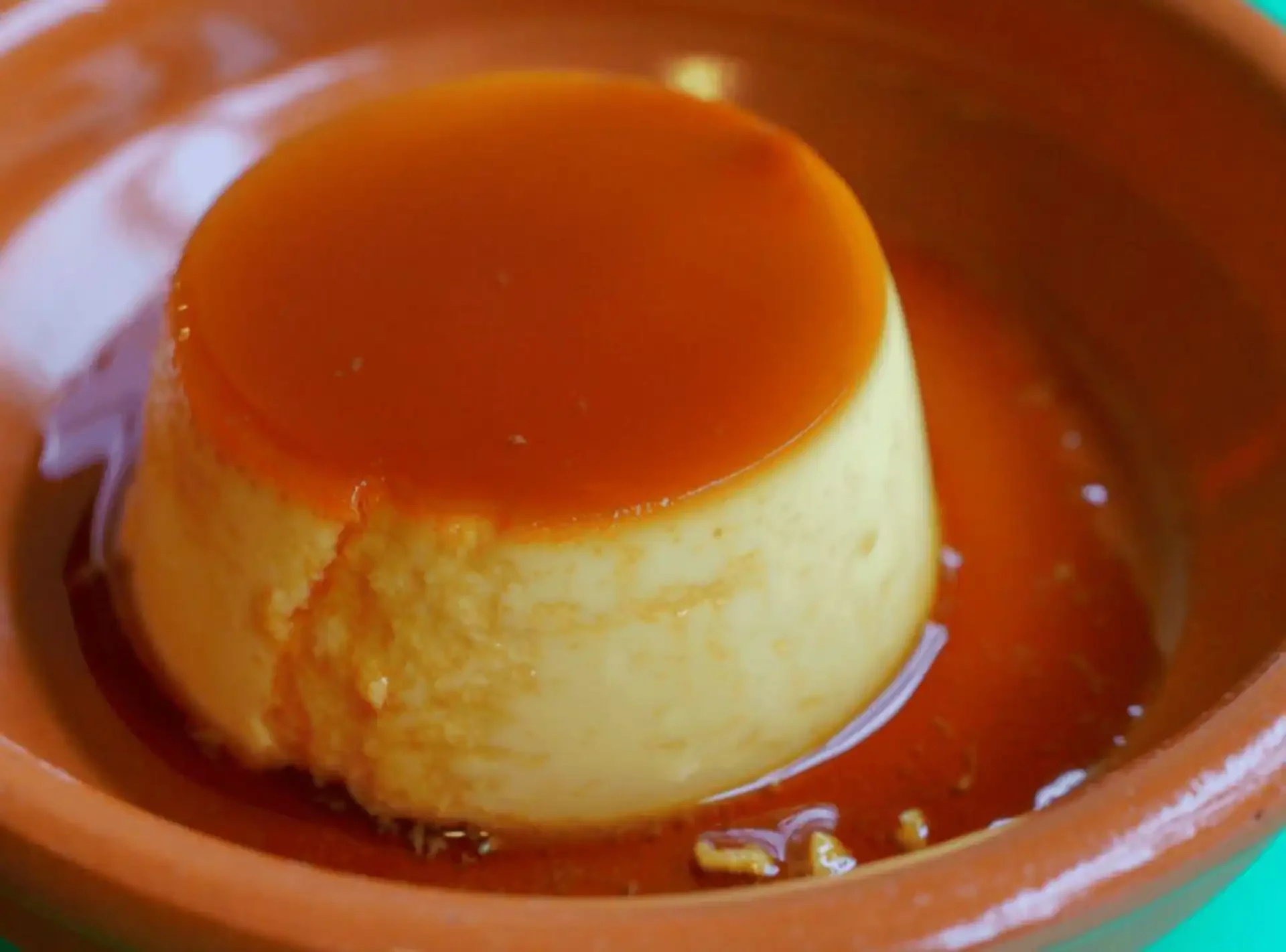
Flan: A smooth caramel custard dessert, which is popular for a reason.
Frijoles charros: A brothy bean dish with serious depth.
Gorditas: Thick masa pockets that are more filling than they look.
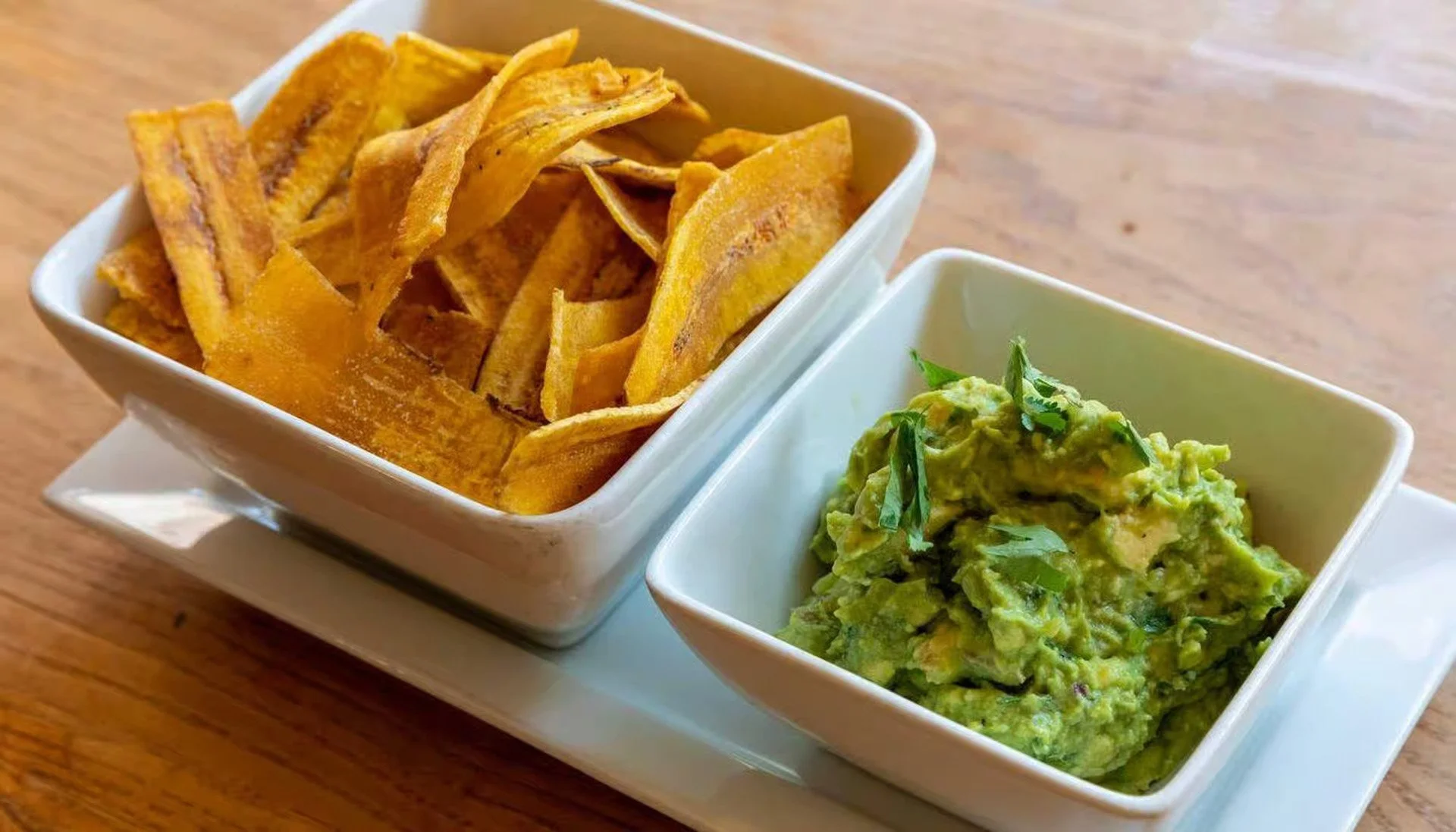
Guacamole: It is all about the balance between avocado, lime, and salt, and is rooted in ancient language.
H and J
Huarache: Famously named after its sandal-like shape, it makes more sense once we see it.
Huitlacoche: An unexpected but try-worthy corn fungus with earthy flavors.
Jamaica: A slightly tart, refreshing hibiscus drink.
The Letters That Get Trickier
Not every letter in the alphabet has a household-famous Mexican dish attached to it, but there are regional specialties, ingredients, or honest notes that make them special.
L
Lengua: A simple, tender, and surprisingly popular beef tongue.
The lesser-known gems are often the best way to get past the usual order.
M Through R: The Heavy Hitters And Regional Legends
This is where the regional flavor really starts to show through.
M
Masa: Corn dough that is used for making tortillas, tamales, and more.
Menudo: A traditional soup with bold flavors and strong opinions attached to it.
Mole: A whole complex and deeply layered category of sauces.
N and O
Nopales: Cactus paddles with a tangy and crispy texture.
Oaxaca cheese: A stretchy, mild cheese often used for quesadillas.
P
Pozole: A comfort soup made with hominy and served during celebrations.
Pambazo: A flavor-packed, messy sandwich dipped in sauce before frying.
Pan dulce: An umbrella term for Mexican sweet breads.
Q and R
Quesadilla: A tortilla with melted cheese, with regional debates attached.
Quesabirria: Birria and cheese combined in crispy tacos for modern cravings.
Rajas: Creamy and smoky poblano pepper strips.
Romeritos: A traditional Mexican holiday dish made with edible green succulents.
These regional classics bring plenty of comfort, crunch, heat, and sweetness to the table.
S Through Z: The Alphabet Gets Wild Here
The last few letters are where the list gets a little wild.
S and T
Sopes: Thick little masa rounds with a built-in edge for toppings.
Salsa: Not one dip, but an entire category of flavor.
Tamales: Wrapped and steamed masa that are deeply tied to traditions.
Tacos: A staple dish with endless variations.
Tlayuda: A large, crispy tortilla loaded with toppings.
U and V
Uchepos: Soft, slightly sweet corn tamales.
Vampiro or volován: A crunchy tortilla base topped like a hybrid between tostada and tacos.
W, X, Y, and Z
W and Y often appear less in everyday dish names.
Xoconostle: A sour cactus fruit often used in salsas.
Zacahuil, zapote, or zarandeado: A grilled seafood preparation, often associated with coastal regions.
These names are a reminder that every dish comes with a story, a region, and a reason people love it.
What To Try First If We Are New To Mexican Food
Trying a cuisine for the first time can feel tricky, especially when the names are new.
For The Cautious Eater
Quesadilla
Elote or esquites
Concha
Flan
For The Flavor Chaser
Birria
Al pastor
Mole
Pozole
For The “Give Me Something Less Obvious” Person
Huitlacoche
Tlayuda
Uchepos
Xoconostle-based dish or salsa
Mexican cuisine has something for every mood, especially when you are still figuring out your first few favorites.
Order With Confidence, Not A Vocabulary Quiz
Placing an order does not require perfection. It just takes confidence, curiosity, and appetite. Mexican food names stop feeling intimidating once we know what they refer to, such as flavors, textures, histories, and regions.
It is not about becoming an expert overnight but about being confident enough to try the next thing on the menu. Explore Empanada Mama’s flavorful menu and enjoy Mexican dishes without worrying about their pronunciation.