
Most Popular Mexican Foods: From Street Classics to Comfort Favorites
You know that specific hunger. Not just wanting food, but wanting something bold, layered, and filling enough to actually matter. Mexican cuisine answers that craving better than almost anything. It works as a quick street snack, a slow Sunday meal, or a late-night fix after a long day in the city. This guide covers the street staples, comfort dishes, holiday classics, and handheld favorites worth knowing.
Why Mexican Food Hits Different Every Single Time
The layering is everything. One taco brings together acid, heat, fat, and fresh herbs in a single small package. Nothing on the plate is flat. Every element has a job, and every bite reminds you of that.
Mexican cuisine also spans an enormous range of regional traditions. Food from Oaxaca looks nothing like what comes out of Veracruz or the Yucatán. Different chiles, different techniques, different proteins. It is not one single cuisine. It is dozens of traditions sharing a name.
That range is exactly why Mexican food moves so easily from street corner to comfort table. The same culture that produces a quick taco al pastor on a paper plate also produces slow-cooked mole that takes two days to finish. Both are Mexican foods. Both are worth your time.
Street Food You Need to Know
Tacos al pastor, carne asada, and birria are the crowd anchors. Al pastor brings marinated pork with pineapple and onion. Carne asada is grilled beef, charred at the edges, simple and satisfying. Birria, originally from Jalisco, is braised meat served with a rich consomé for dipping. The kind of thing you finish and immediately want again.
Elotes and esquites are the snacks you eat standing up. Corn on the cob or in a cup, hit with crema, cotija, chile, and lime. Messy, loud, completely worth it.
Tostadas and sopes round out the street staples. Tostadas are flat, crispy tortillas loaded with beans, protein, and toppings. Sopes are thicker, with raised edges that hold everything in place. Both are built for eating on the go without losing half your food on the sidewalk.
The Comfort Food Side of Mexican Cooking
Pozole is the bowl you want when the weather turns. Rich hominy broth with pork or chicken, topped with shredded cabbage, radishes, and lime. Caldo de pollo is lighter but just as restorative. A clear chicken soup that feels like a full reset in one bowl.
Chilaquiles earn their reputation. Tortilla chips simmer in salsa verde or roja until slightly softened, then get topped with eggs, crema, and cheese. The meal that fixes a rough morning without asking much of you.
Tamales anchor the home-style end of the spectrum. Masa wrapped around filling, steamed in corn husks, dense and savory in a way that takes time to get right. Arroz con pollo sits nearby on that comfort spectrum. Both are the kind of food that makes you slow down.
Mexican Empanadas: The Handheld You Might Be Sleeping On
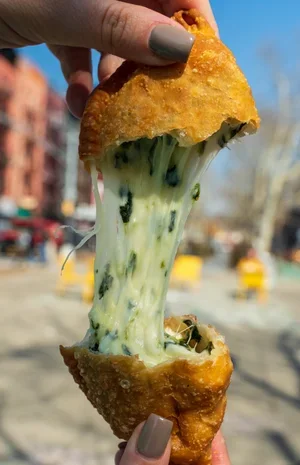
Mexican empanadas have their own identity. They often lean thinner, crispier, and fried, with a texture that cracks when you bite in. Fillings lean toward picadillo, cheese, potato, or sweet options like pumpkin and fruit preserves.
They are a market staple and street snack across Mexico, the kind of handheld food made fresh, eaten hot, and gone fast. In New York, the empanada has found a strong home across Latin communities. Spots like Empanada Mama have made the handheld a reliable go-to for anyone craving Latin comfort food without waiting long.
Holiday and Celebration Foods Worth Knowing
Tamales come back here because they belong at the center of Mexican holiday tables. Families make them in large batches during the Christmas season. It is a communal process, often involving multiple generations working side by side in the same kitchen.
Cochinita pibil is pork marinated in achiote and citrus, wrapped in banana leaves, and slow-roasted until it falls apart. Relleno negro is a Yucatecan dish built around charred chiles and turkey. Both require real effort and pay it back in full.
Ponche and atole signal that a celebration is underway. Ponche is a warm fruit punch served during posadas. Atole is a thick, warm corn-based drink, often flavored with chocolate or cinnamon. When these hit the table, something good is happening.
Sauces, Salsas, and the Stuff That Makes It All Work
Salsa verde uses tomatillos for brightness and mild tang. It works best with pork, chicken, and eggs. Salsa roja brings depth from dried chiles and tomatoes. It belongs on tacos, enchiladas, and anything that needs grounded heat rather than sharp acidity.
Mole is its own category. Dried chiles, spices, nuts, and often chocolate are cooked down for hours. The complexity shows up in every spoonful. Not a weeknight sauce. A Sunday project that feeds a full table.
Crema, pickled onions, and fresh cilantro are the finishing touches that pull a plate together. They add brightness and contrast. Without them, the same dish tastes heavier and flatter.
Where to Start If You're New to Mexican Food
Start with tacos: low-commitment, easy to share, and a fast read on what any kitchen does well. Quesadillas and rice bowls are solid entry points, too. Familiar enough to feel comfortable, flavorful enough to show you what the cuisine can actually do.
In New York City, ordering smart means looking past the obvious. Find spots that make their own salsas, use fresh tortillas, and take regional cooking seriously. The city has serious Mexican food if you know where to look.
Start With the Bite That Shows Up Hot
Mexican food gives you a lot to chase: street tacos, slow-cooked stews, saucy comfort plates, holiday dishes, and handheld bites that disappear way too fast. If you want a direct, low-pressure way into that world of bold Latin comfort food, start with Empanada Mama.
The empanadas are hot, crispy, filling, and built for exactly the kind of craving this cuisine does best: big flavor without the wait.
Whether you are grabbing a quick bite, ordering late, or sharing a full spread, start with the Empanada Mama menu and follow the flavor from there.