
A “Colombian” place with a generic menu, a thin bakery case, or everything built for broad Latin appeal can spoil the appetite of someone craving a real Colombian meal. Not every “Colombian spot” tells the full story. Some menus only borrow the greatest hits.
Authentic Colombian food goes beyond classic arepas and empanadas, and a Colombian spot that gets the flavors, textures, and comfort right becomes the one you want to return to.
This blog server as a practical checklist for diners in NYC and Philly who want to tell the difference between a true Colombian food experience and a menu that only borrows a few greatest hits.
First, Know What “Authentic” Actually Means Here
White tablecloths, perfect decor, and trendy interiors are not what make Colombian food feel real. The real proof is in the food’s regional staples, proper textures, familiar bakery items, house-made sauces, and dishes that locals actually order.
Colombian food is regional, so strong Colombian spots usually focus on getting the basics right instead of trying to serve every Latin dish at once.
Check The Menu For More Than Just Arepas And Empanadas
While arepas and empanadas are classic Colombian choices, they are not the whole story behind a Colombian menu.
A strong Colombian menu should offer more than one safe order, featuring a range of breakfast, bakery items, hearty plates, snacks, soups, and grilled or stewed mains, so the meal feels layered, generous, and specific.
A menu with depth, like bandeja paisa, sancocho, calentado, tamales, arroz con pollo, chicharrón, picada, buñuelos, pandebono, almojábanas, and Colombian-style hot chocolate or coffee service, brings depth that feels lived-in rather than assembled from the same handful of Latin dishes.
Look For The Bakery Case
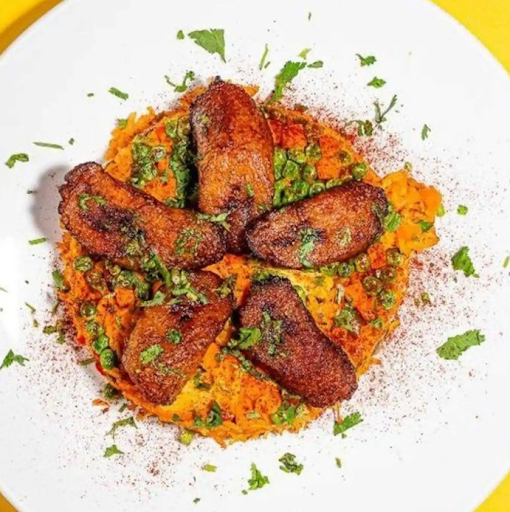
A good Colombian food spot can reveal itself before the main meal through its bakery staples, such as pandebono, buñuelos, pan de bono-style breads, almojábanas, milhojas, pastel de guayaba, and other grab-and-go pastries.
In NYC and Philly, a strong Colombian bakery is not just about weekend-curious traffic but also about feeding its own community. It feels more like a part of the city’s daily life rather than an afterthought.
The Plate Should Be Generous, Comfort-Driven, and a Little Unapologetic
A Colombian plate should be hearty, filling, and practical in the best way, with full plates of starches with purpose, savory meats, beans, rice, and fried elements, avocado, and sauces that support the plate rather than distract from it.
A bandeja paisa should look like a commitment in the best possible way, not a minimalist tasting plate; the soups, stews, and lunch specials should feel like comfort food rather than a cleaned-up imitation.
A Colombian plate should feel generous, comforting, and built for a real appetite.
Pay Attention To The Sides, Sauces, And Small Details
The little things matter: the sides, sauces, drinks, and textures casual diners sometimes overlook.
The intentional sides and sauces like ají, house salsa, lime, pickled onions, beans with actual flavor, properly cooked rice, crisp chicharrón, and arepas with the right texture are the details that make a Colombian meal feel real rather than a replica of another cuisine.
The right sides, sauces, and drinks, such as Colombian sodas, juices, aguapanela, tinto, or chocolate caliente, serve as a strong sign of how well the place understands the full food culture.
The Room Should Feel Like People Actually Eat There Regularly
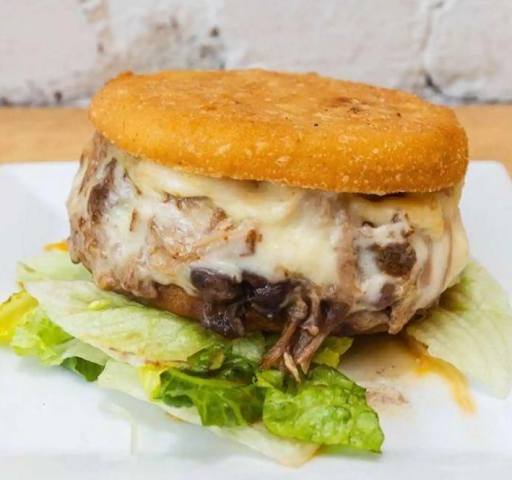
A room tells you a lot before the first bite lands, especially when the counters are busy, and regulars clearly know what to order.
Authenticity is not just about the food’s taste and flavors but also about the rhythm of the place, like families eating late breakfasts, regulars ordering bakery bags to go, weekday lunch traffic, Spanish heard naturally around the room, and a menu that does not need to over-explain itself.
While in NYC and Philly, community loyalty can say a lot about a place; its crowded counters, quick turnover, and confident service become strong signs of how well the place understands and values the food culture, rather than branding that feels more polished than personal.
A room full of regulars, quick orders, and familiar plates usually says more than a trendy sign ever could.
Red Flags That a “Colombian” Spot Might Be Watered Down
A strong Colombian menu is not about serving everything. It is about serving the right basics well. Even then, some “Colombian” spots fail to do so.
A Colombian spot raises a red flag when the menu throws together too many unrelated Latin dishes without a real Colombian core, offers very few bakery items, has no hearty house specialties beyond basic fried snacks, plates look styled for social media but do not feel built for actual appetite, and has vague descriptions that lean on “Latin flavor” words instead of naming real Colombian dishes.
A spot that feels afraid of starch, richness, or regional specificity is probably sanding off the parts that make Colombian food so good.
The Best NYC and Philly Move Is Simple: Order Like You Mean It
A good Colombian restaurant does not need to serve everything. It just needs to serve the right things well enough that first-timers already know what they want next time.
Spotting authentic Colombian food becomes a lot easier when we know the right signals: depth, comfort, specificity, and food that clearly belongs on somebody’s everyday table.
For Colombian comfort with Empanada Mama energy, explore the menu and order the kind of plate that makes one bite turn into three.