
It's 7 p.m., you skipped lunch, and you're standing at the counter doing math with your stomach. One tray holds golden yellow empanadas. The other holds pale, flaky ones that look like tiny hand pies.
You point at the yellow one. It comes out hot.
You bite; the shell cracks loudly, steam hits your face, and the savory filling lands right behind the crunch.
That's corn empanadas doing their thing.
So why do they look so different from wheat ones? And which dough fits the kind of hungry you are right now? Let's sort it out.
Why Colombian Empanadas Wear That Golden Yellow Crust
Start with masarepa. It’s a precooked cornmeal that Colombian cooks use for arepas and empanadas. Add warm water and salt, knead for a few minutes, and you get a smooth dough that presses thin without tearing.
Masarepa comes in white and yellow. Many cooks reach for yellow when making Colombian corn empanadas, and that choice sets the base color.
The fryer handles the rest.
Hot oil turns that soft yellow into a deep gold, with tiny blisters popping up across the surface. Those blisters mean crunch.
Recipes change from region to region and family to family. Some cooks mix in other ingredients. Some roll the dough thicker. No single version speaks for all of Colombia. What masarepa empanadas share is that corn-first base. Everything else depends on whose kitchen you’re eating from.
Corn vs Wheat: What Changes in Every Bite
Same handheld idea. Two different meals.
Corn Dough: Thin, Crunchy, Shatter-Crisp
Corn tastes toasty with a light sweetness. The crunch is loud enough that the person next to you hears it.
Cooks keep the shell thin, so the filling gets the spotlight. Most fry them after folding and pressing the edges shut, which keeps the filling sealed inside. You get a crisp outside and a steamy, tender middle.
Wheat Dough: Flaky, Soft, Pastry-Like
Wheat goes the other direction. It’s tender and layered, sometimes buttery, sometimes a little chewy, depending on the recipe.
Across Latin America, people bake or fry wheat empanadas. Argentina and Chile both have well-known baked versions with glossy, golden tops.
Side-by-Side at a Glance
Texture: Corn is crisp and crackly. Wheat is soft and flaky.
Flavor: Corn tastes toasty and a bit sweet. Wheat runs neutral to buttery.
Cooking method: Corn usually goes in the fryer. Wheat gets baked or fried.
Heft: Corn eats light, like a snack. Wheat often feels fuller, closer to a pastry.
In the wheat vs. corn empanadas debate, your mood casts the deciding vote.
Fillings That Shine in Each Dough

Corn shells love the classics. Seasoned meat with soft potato is one of the most familiar pairings in Colombian corn empanadas. The crunchy shell against that tender, saucy filling is the whole point.
Wheat pastry handles richer fillings well. Think cheesy, saucy, heavier stuff. The soft layers take on some of that richness and still hold together in your hand.
Quick heads-up before you order.
Doughs and fillings vary by location. Check the menu at your nearest Empanada Mama to see what that spot offers.
Which Dough Should You Order Tonight?
Pick the dough for your moment.
Late-night craving: Corn. A hot, crunchy empanada eaten out of the bag on the walk home after midnight is hard to beat.
Office lunch or desk meal: Think about the trip back. Corn tastes best fresh and crisp, so eat it soon after pickup. Wheat stays soft and holds up better if your lunch sits on the desk through one more meeting.
Friend groups and catering: Get both. A tray with corn on one side and wheat on the other lets everyone choose, and people love trading bites to compare. Keep the two doughs separated so nobody plays guessing games.
Gluten concerns: Cornmeal contains no gluten on its own. Shared fryers, prep counters, and other ingredients still carry cross-contact risk. If you have celiac disease or a strong sensitivity, ask the staff how they prep and fry each item before you order.
The Dip Decides the Bite
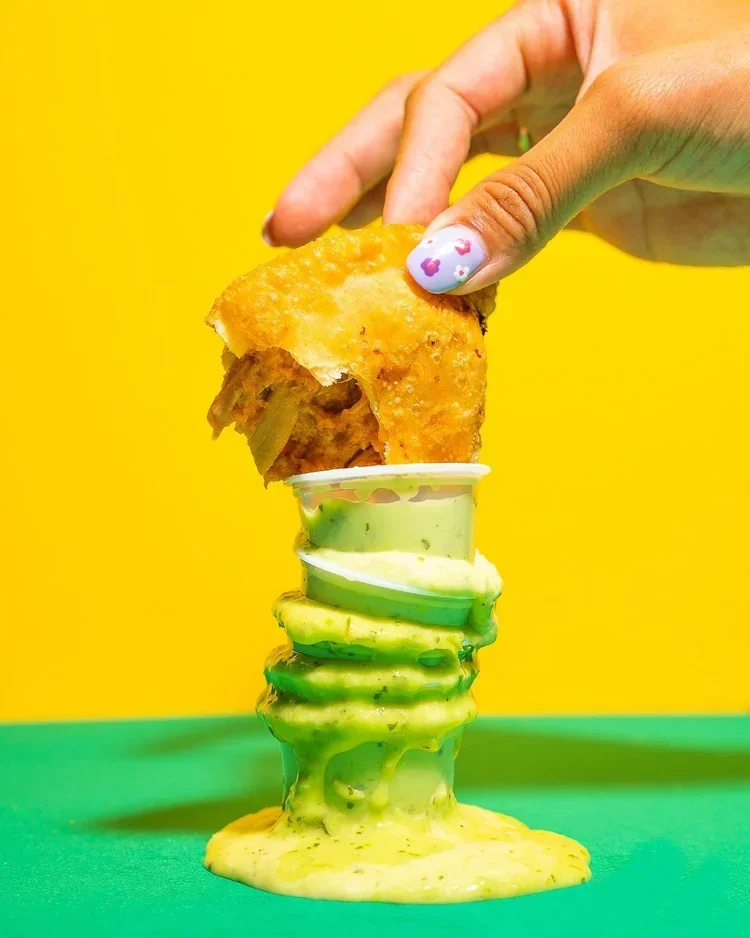
A crispy corn shell wants a sauce with some attitude.
Bright, tangy sauces cut through the richness. Spicy ones wake up a savory filling. Cool, creamy dips calm the heat and even out all that golden crunch.
Sauce options change by location, so check your local menu and ask what goes best with corn. Then dunk without apology.
Here's the short version. Corn gives you crunch and color. Wheat gives you flaky comfort. Neither one loses.
Corn, Wheat, or Both? Order at Empanada Mama
Stop doing math at the counter. Corn gives you the shatter-crisp crunch, wheat gives you the flaky comfort, and the smartest order puts both on the same tray. Pick your dough for tonight’s hunger, add a dip with attitude, and let the table trade bites.
Doughs and fillings vary by location, so find your nearest Empanada Mama and order your corn and wheat empanadas today.