
Empanada Dough Mistakes: Master the Perfect Crust Every Time
You nailed the filling. The kitchen smells incredible. You’re already imagining that first bite. Then the dough betrays you. It gets sticky. Or dry. It tears when you fold it. It leaks in the oven. It bakes up pale, tough, or weirdly greasy. Suddenly, the confidence is gone.
Good news: empanada dough isn’t cursed. It’s just honest.
In this blog, we’re breaking down the most common empanada dough mistakes, why they happen, and the fixes that actually work. A practical guide to getting flaky, crisp, golden empanadas that don’t explode halfway through baking.
What “Perfect Empanada Dough” Should Actually Feel Like
In your hands, good empanada dough should be smooth and pliable. It shouldn’t cling to your fingers, but it shouldn’t crack when you bend it either. After cooking, the goal is simple. Crisp on the outside, sturdy enough to hold the filling, and a little snap when you bite in.
One quick note here: baked and fried empanadas behave differently. Fried dough can be slightly softer going in because the oil handles a lot of the crisping. Baked dough needs better structure and moisture balance to avoid drying out.
Mistake 1: Overworking the Dough Until It Turns Tough
This is the fastest way to ruin empanada dough.
When you mix too much, you overdevelop gluten. Gluten loves structure; Empanadas absolutely do not. Overworked dough fights you. It springs back when you roll it. You’ll know you’ve gone too far if the dough feels elastic and stubborn instead of relaxed.
The fix is simple. Mix just until everything comes together. Stop when it looks shaggy but cohesive. Rest time matters more than extra kneading ever will.
Mistake 2: Skipping the Dough Rest
Resting isn’t optional. It’s the difference between dough that rolls easily and dough that tears out of spite.
When the dough rests, the gluten relaxes, and the moisture redistributes. Skip this step, and you’ll fight shrinkage, uneven thickness, and cracked edges.
At a minimum, give your dough 30 minutes wrapped tightly. If you have time, an hour is even better. Fridge rest works too, especially if your kitchen runs warm, but let it sit at room temperature for a few minutes before rolling so it’s not ice-cold and brittle.
Mistake 3: Your Fat Is Wrong (Or the Temperature Is)
Butter brings flavor but melts quickly. Shortening and lard give tenderness and structure. Oil makes dough easy to work with, but less flaky. None is wrong. They’re just different, and the dough will tell on you fast.
Temperature is where most people slip. Warm fat leads to greasy, heavy dough. Dough that’s too cold cracks at the edges and splits when folded.
The fix is balanced. Keep fat cold while mixing. If the dough starts feeling slick or soft, chill it. If it’s cracking when you roll, let it warm slightly before forcing it.
Mistake 4: Too Much Flour While Rolling
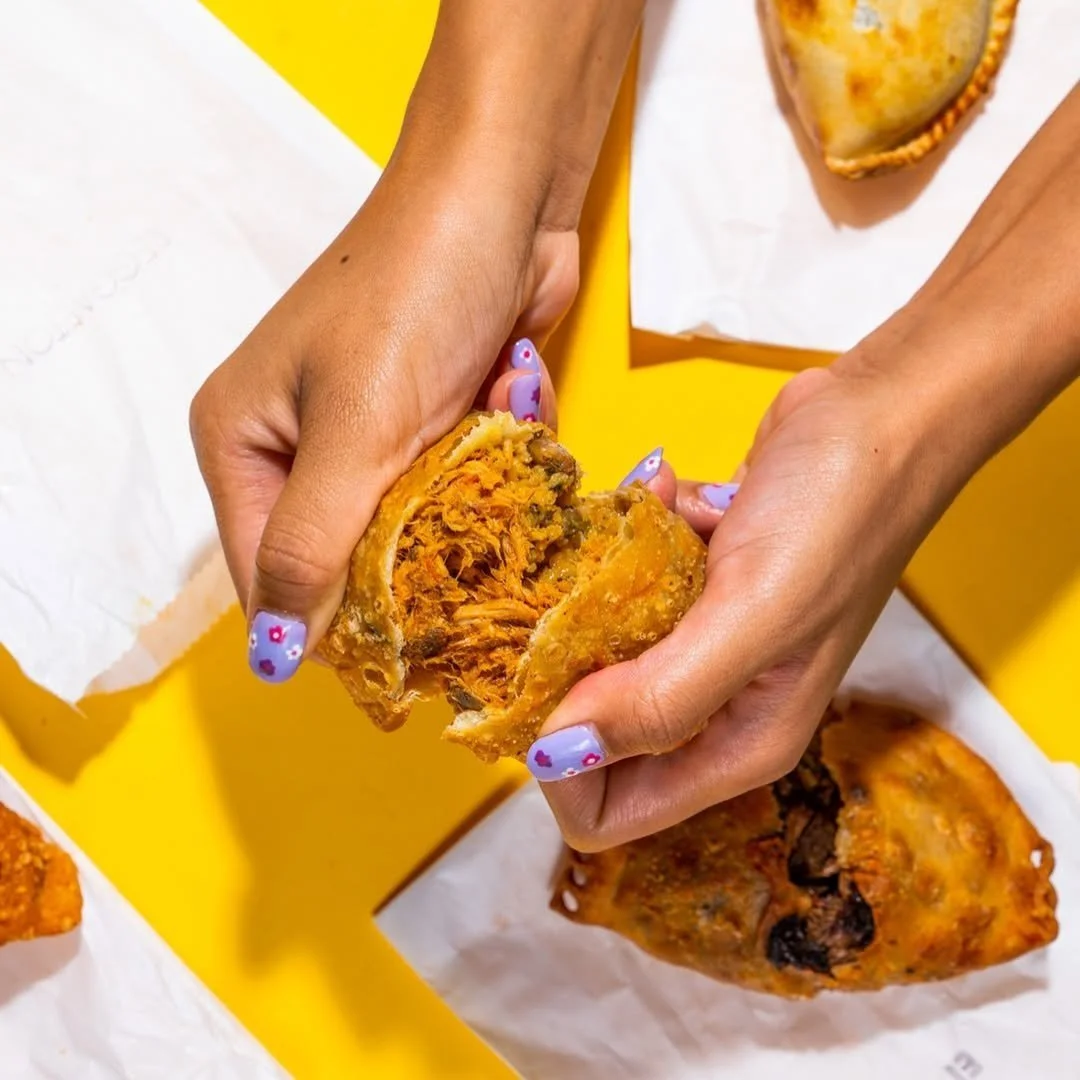
Too much flour creates dull crusts, dusty seams, and edges that won’t seal properly. You’ll see cracking and chalky patches before the empanadas even hit the oven.
Use a light dusting and rotate the dough instead of burying it. Parchment paper is your friend here. It reduces the need for excess flour and keeps the surface clean.
Mistake 5: Rolling Too Thin (Or Too Thick)
Too thin, and you’ll get leaks, blowouts, and soggy bottoms. Too thick, and the centers stay doughy while the outside browns.
Aim for dough that’s thin enough to bend without cracking but thick enough to hold the filling. A good test is visual and tactile. You should see a slight shadow of your hand through it, but not fingerprints.
Mistake 6: Filling That’s Too Wet or Too Hot
If your filling is watery or still hot, it releases moisture into the crust. That moisture weakens seams, softens the base, and causes leaks that cascade into bigger failures.
Always cool your filling completely. Thicken juicy fillings by reducing liquid, draining excess moisture, or chilling them so fats firm up before assembly.
Mistake 7: Overfilling Like You’re Packing a Suitcase

Overfilling stretches the dough, stresses the seam, and leaves no room for steam to escape. It looks generous. It’s also a trap.
The fix is painful but effective. Use one spoon less than you think you need. Leave a clean border around the edge so the dough can actually seal to itself.
Mistake 8: A Weak Seal
Uneven pressure creates gaps that widen under heat. Lightly moisten the edges with water or egg wash. Press firmly to close, then crimp with intention. And here’s a pro move most people skip: chill sealed empanadas before baking or frying. Then run your finger along the seam once more, like you mean it. Cold dough holds its shape and seals far better.
Mistake 9: The Wrong Bake Setup
Thin pans lead to pale bottoms. Crowding traps steam. Oil-heavy pans can fry the base before the top sets.
Use a sturdy sheet pan, space empanadas generously, and consider preheating the pan for extra crispness (just be careful sliding them onto the pan so the bottoms don’t tear). Parchment works better than oil for baked empanadas when you want clean browning.
Mistake 10: Skipping the Egg Wash (Or Doing It Wrong)
Egg wash isn’t just for shine. It’s for even browning and a crisp finish.
Apply it evenly. Avoid pooling near the seams. A splash of milk softens the finish. A pinch of salt boosts color. Simple upgrades that make a visible difference.
Mistake 11: Frying Problems That Ruin the Crust
Low oil temperature gives you greasy empanadas. High oil temperature burns the outside before the inside cooks.
Aim for a steady 350–365°F and don’t guess. Fry in small batches so the oil doesn’t drop in temperature. Drain on a rack if possible. Airflow keeps them crisp. Paper towels trap steam.
When You Want Perfect Crust Without the Work
Sometimes you don’t want a lesson. You want empanadas that just work.
That’s where Empanada Mama comes in. We have crisp, golden empanadas that hold together, whether it’s a party, a late-night order, or a holiday spread.
Skip The Dough Drama
Empanada dough problems are fixable once you know what they’re actually saying. Change one variable at a time or skip straight to the payoff and let Empanada Mama handle the crust while you focus on eating.