
Latin American Cuisine Decoded: Staples, Regions, and Flavor Maps
Latin American cuisine spans many countries, ingredients, cooking methods, and regional identities, yet it is often flattened into a single broad category.
The more we understand the staples, cooking styles, and regional differences, the better every bite gets.
This guide breaks down the staples, major regional patterns, and flavor logic that will help you understand what you are actually eating.
First, Let’s Stop Treating Latin American Cuisine Like It Is One Thing
Latin America is not one single food map. It stretches across countries, coastlines, climates, Indigenous foodways, African influences, European influences, and migration-driven food traditions.
Some dishes share familiar staples, but ingredients, cooking styles, and flavor preferences shift from place to place.
Latin American cuisine is not one uniform style. It is a wide mix of flavors, textures, traditions, and everyday comfort foods.
The Staples That Show Up Again and Again
Every region has its own rhythm, but some staples show up again and again:
The Big Base Ingredients
Common base ingredients include:
Corn
Rice
Beans
Plantains
Cassava or Yuca
Potatoes
Chiles and Peppers
Tomatoes, onions, garlic, and citrus
Why These Matter
These staples aren’t just side characters; they are the structure of the meal, and they shift dramatically by region.
While corn becomes tortillas, arepas, tamales, pupusas, humitas, and more, rice and beans can sound simple, but their seasoning, pairing, and role on the plate vary by country.
These staples create familiar threads, but each region turns them into something different.
The Flavor Map: What the Food Is Built to Do
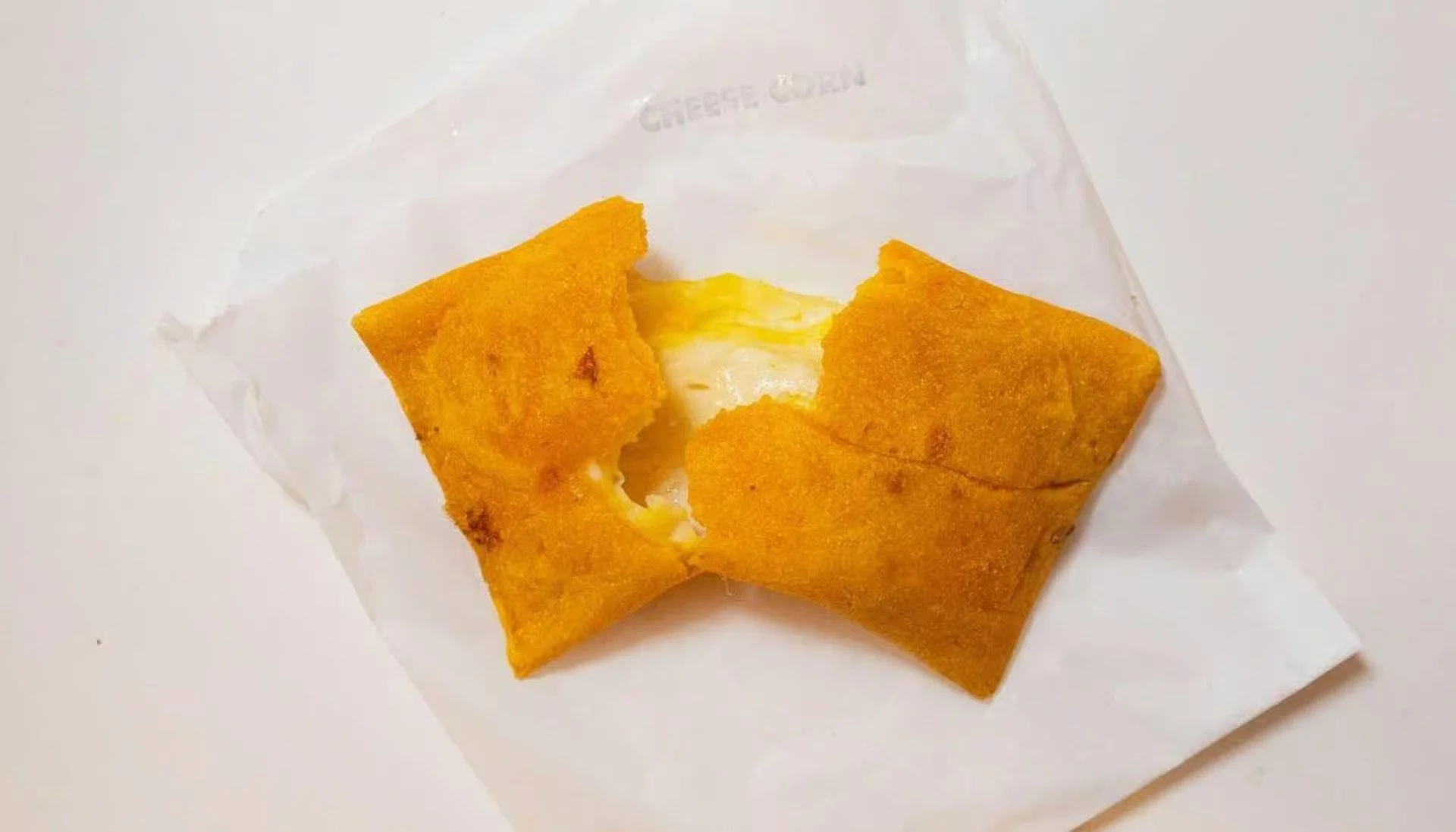
While the staples remain the same, the flavors change as we move across regions.
Core Flavor Patterns to Notice
Common flavor patterns include bright acidity from lime, vinegar, or pickled elements; savory depth from slow-cooked meats, stews, sofritos, and broths; regional variation in heat; fresh contrast from herbs, onions, slaws, and salsas; and comfort from starches, fried elements, and layered textures.
What This Means on the Plate
Latin American cuisine is not just about ingredients. It is often about contrast: richness with brightness, crunch with softness, and char with sauce.
Most of these meals are built around contrast, not just “spice.”
The staples bring familiarity, but the flavors, textures, and cooking styles make each dish feel specific.
The Regional Breakdown That Makes Everything Click
Every region has its own flavor logic, which is where the category starts to make sense.
Mexico And Central America
Corn is the main hero in this region, and the food in this zone leans deeply on native corn traditions; some cuisines also lean into tropical ingredients and coastal seafood influences.
The region’s corn, tropical ingredients, and coastal seafood creates a wide range of food options, including tortillas, tamales, masa-based dishes, beans, grilled meats, stews, and layered sauces.
The Caribbean Latin Zone
Puerto Rico, Cuba, the Dominican Republic, and nearby coastal areas often serve plantains, rice, beans, pork, tropical fruits, garlic-heavy marinades, fried snacks, and stewed comfort food, driven by bold seasoning, softness-plus-crispness, and big comfort energy.
Northern South America
The region of Colombia, Venezuela, Ecuador, and nearby overlaps is known for serving Arepas, soups, grilled meats, rice plates, cheese, corn cakes, and bakery culture that makes the cuisine feel hearty, practical, and deeply tied to everyday staples.
The Andes
Peru, Bolivia, and the highland food traditions of the Andes serve potatoes, corn, grains, peppers, stews, roasted meats, and layered sauces, bringing starch, comfort, and heat together in a way that feels deeply regional. This region thrives on altitude, indigenous foodways, and biodiversity, which makes it stand out from the others.
The Southern Cone
The region marked by Argentina, Uruguay, Chile, and neighboring influences offers grilled meats, breads, pastries, empanadas, chimichurri, sandwiches, and European-influenced techniques, making it read differently from tropical Latin cuisines even when the staples are the same.
Every region adds its own comfort, crunch, heat, sweetness, and story to the bigger picture.
The Staples Travel, But the Results Do Not Taste the Same
The staples can feel familiar across Latin America, but it is the dishes and flavors that set the regions apart. While corn in Mexico is served as tortillas and tostadas, becoming the base layer, Venezuelan cuisine uses it as arepas and cachapas, which become the main vessels.
Plantain preparation in the Caribbean differs from that in other regions, while empanadas shift wildly depending on the dough, fillings, baking or frying method, and local traditions, and rice and beans can be served as side dishes, a full-meal base, or a supporting player, depending on the place.
Staples give Latin American cuisine its structure, but it is the dishes and cooking styles that shape it.
Where Empanada Mama Brings the Map to the Menu
Latin American cuisine ranges across different regions, where familiar staples like corn dough, meats, sauces, and regional fillings tell a bigger story, and Empanada Mama fits into that bigger picture as a useful NYC stop, where Latin American comfort foods, fillings, sauces, and familiar staples sit side by side on one menu.
Our menu brings together bold Latin American-inspired comfort foods in a way that feels easy to order, filling, and full of flavor.
Latin American Cuisine Makes More Sense One Bite At A Time
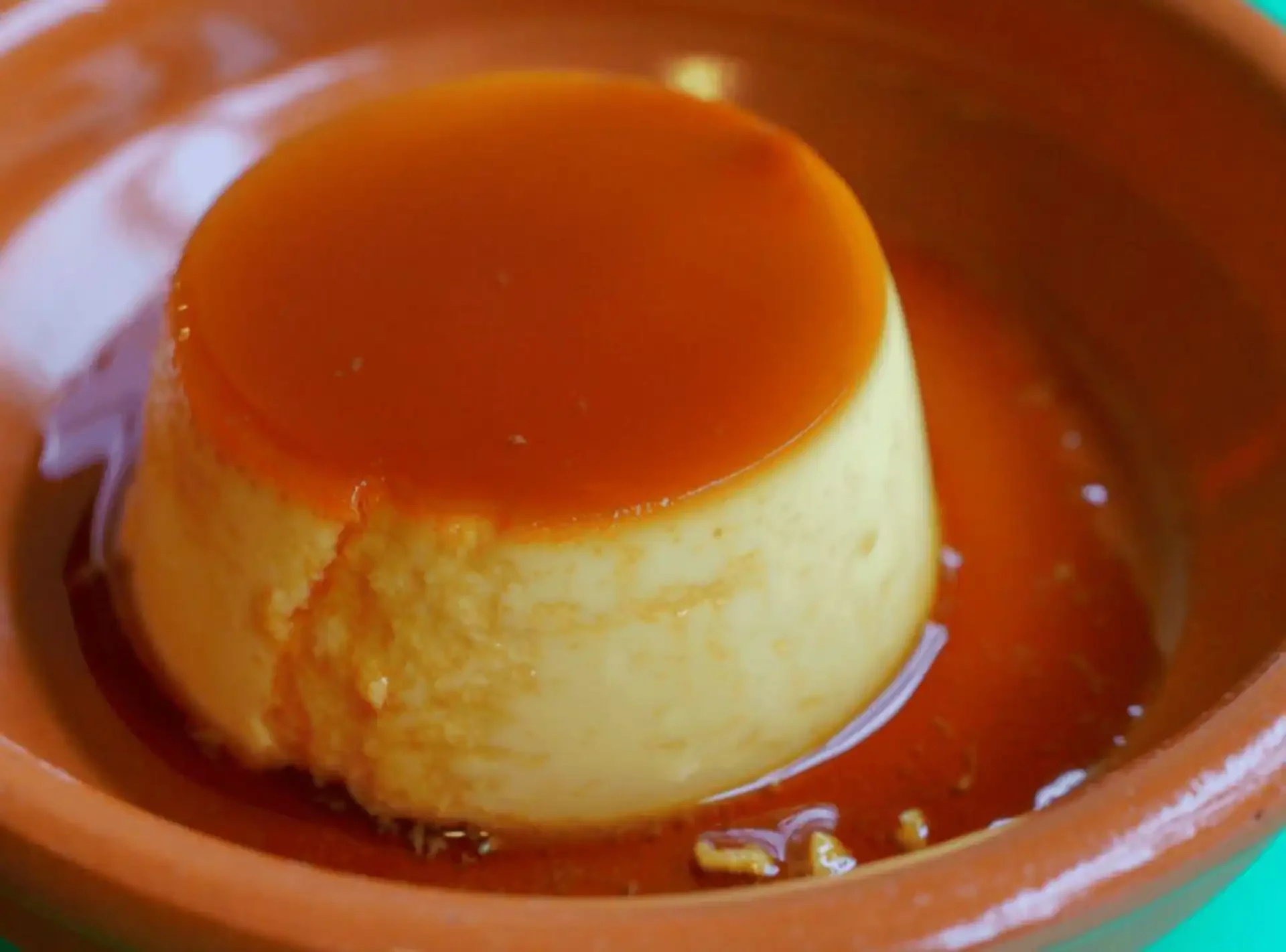
Latin American cuisine is connected, but not interchangeable. While the staples repeat, flavor logic overlaps, and comfort factor is real, the regional differences are what make the whole category worth exploring. Once you understand the base of the cuisine, menus feel less confusing, and the food gets even more interesting.
Explore Empanada Mama’s menu when you want bold Latin American flavors, easy comfort food, and a meal that does not need a long explanation to hit the spot.