
It's 12:40 on a Tuesday. Your lunch break started ten minutes ago, your stomach is loud, and you're stuck on the sides section of a Latin menu.
Tostones or maduros?
Both come from the same fruit, but they give you two very different bites. One arrives golden, salty, and loud when you bite it. The other comes out soft and sticky, with dark, caramelized edges.
This guide walks you through tostones vs. maduros, what each one tastes like, and which one belongs next to your main before you hit checkout.
Tostones: The Crispy, Salty Crunch You Can Dip
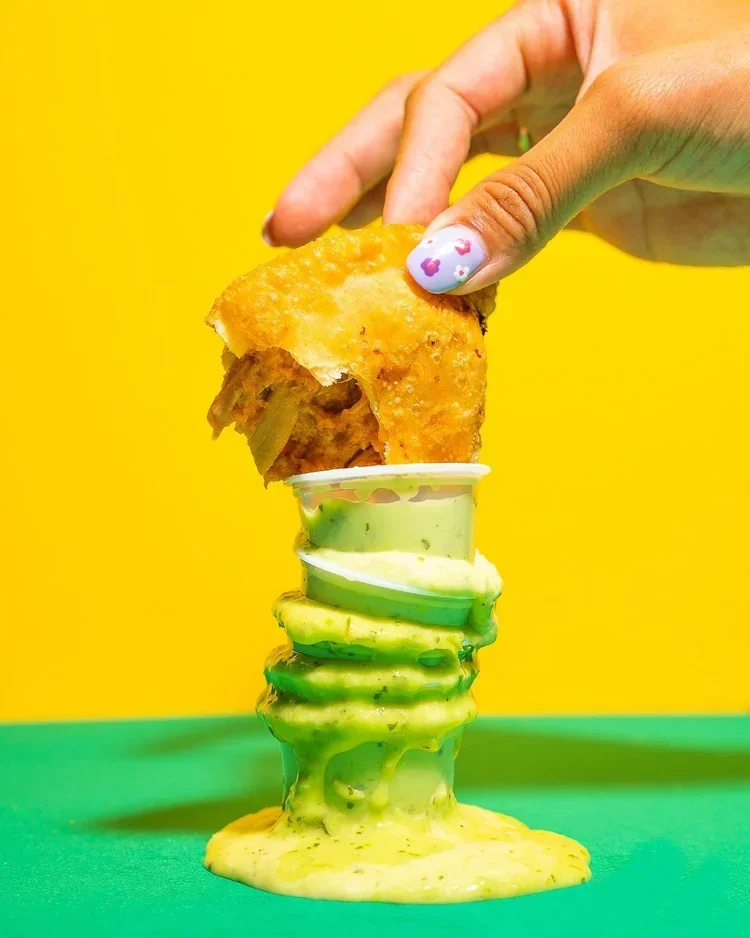
Tostones start with green, unripe plantains. At that stage, the fruit feels hard, starchy, and barely sweet.
The method makes the difference. Cooks fry thick slices once, smash them flat, then fry them again until golden. That second round in the oil builds a crackly rim around a dense, steamy center.
The flavor sits closer to a potato than a banana. You get salt, crunch, and a hearty, starchy chew.
Tostones want a dip. Garlic mojo is the classic partner, and some spots pour pink sauce, hogao, or a spicy ají. Sauces change from restaurant to restaurant and from location to location, so check the menu before you build your whole order around one.
What Are Maduros? Meet Your Sweet, Sticky Side
So, what are maduros? They come from ripe plantains, the ones with yellow-and-black or fully black peels. That dark skin looks rough. Inside, you'll find soft, fragrant fruit.
Cooks slice them on a bias and pan-fry them until the sugars brown. The result: tender, jammy pieces with sticky, golden-brown edges.
The flavor runs sweet with a savory backbone. That's why fried sweet plantains pair so well with salty, rich plates. Take a forkful of seasoned beef, then a bite of maduro, and your mouth feels ready for the next round.
And no, they won't taste like fried bananas. Plantains carry more starch and less water than the bananas on your cereal. They keep their shape in a hot pan and taste less sugary, even when fully ripe.
Tostones vs Maduros: The Differences You'll Actually Taste
Here's the short version:
Tostones: green plantains, fried twice, salty, crunchy
Maduros: ripe plantains, pan-fried, sweet, soft
Now the details.
Ripeness and Color
A green peel tells you the fruit inside is firm and starchy. As the peel moves to yellow and then black, the flesh softens and turns sweet.
Ripening turns starch into sugar. More black on the peel means more sugar in the fruit and deeper browning in the pan. Britannica’s plantain entry covers how cooks use the fruit at each stage.
Flavor and Texture
Tostones hit you with salt and snap. Maduros give you sweetness, softness, and those sticky edges.
For takeout and delivery, maduros win. Nobody orders them for crunch, so a 20-minute ride barely touches them.
Tostones have it harder. Steam builds in the container and softens the crust. Eat them first, or give them a few minutes in a hot oven or air fryer to bring back the crackle.
Regional Names You Might See
Menus don’t always say “tostones.” In Colombia, look for patacones. Puerto Rico, Cuba, and the Dominican Republic tend to stick with tostones.
Maduros also go by "plátanos maduros". In Puerto Rico, you’ll often hear amarillos. In Colombia and Venezuela, fried ripe plantain slices show up as tajadas.
If a name throws you off, ask at the counter. People love answering that one.
How You Can Match Each Plantain to Your Order
No overthinking required. Use this:
Tostones with saucy or slow-cooked meats. The crunch holds up under rich gravy and shredded beef, and each piece works as a scoop.
Maduros with rice, beans, and savory empanadas. The sweetness cuts through salty fillings and earthy beans.
Both for groups. Feeding the office or a crowded couch? Get a tray of each and let people mix sweet and salty on their own plates.
Late night. Craving crunch after midnight? Tostones. Want something that tastes like dinner and dessert in one? Fried sweet plantains. Late-night hours change by location, so check before you head out.
Quick lunch. Maduros stay good at your desk for a while. Tostones taste best in the first few minutes.
Where Yuca Frita Fits Into Your Side Order
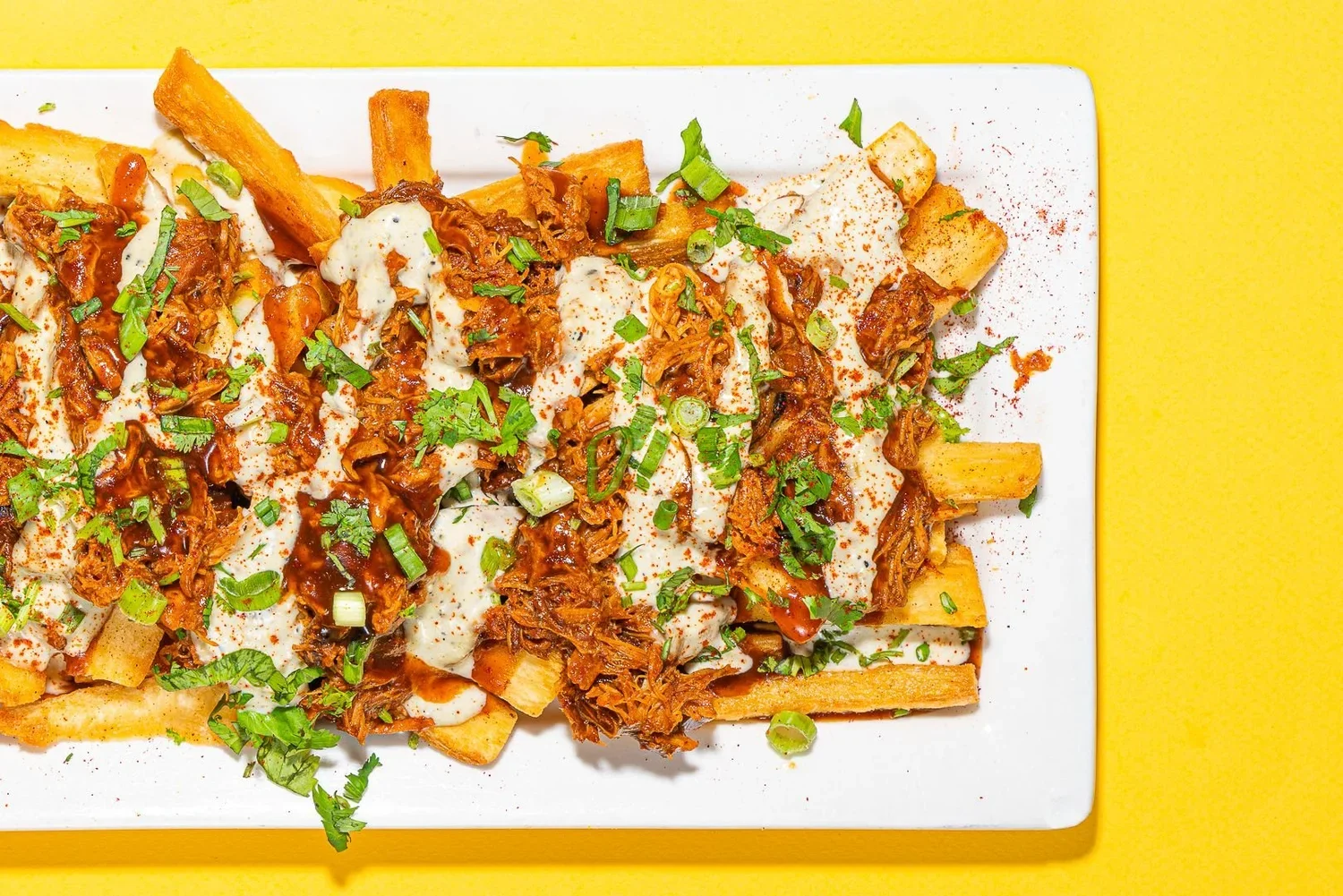
Then there’s yuca frita, the crispy, fluffy third pick.
Cooks boil cassava root until tender, cut it into thick wedges, and fry it. The outside turns golden and crisp. The inside stays soft and steamy, almost like a good steak fry.
Put it next to tostones, and you’ll notice the gap. Tostones bring a tight, chewy crunch. Yuca has more give and a lighter middle.
For dipping, yuca frita often wins. Long wedges carry more sauce, and that fluffy center soaks it up. Planning to go heavy on garlic or hot sauce? Grab yuca. Availability changes by location, so confirm on the menu first.
So here's the rule: crunch means tostones, sweet means maduros.
Want salt and something to dip? Go green. Want soft, caramelized comfort next to your rice and beans? Go ripe. Feeding a crew? Order both and let the table sort it out.
Build Your Side Order at Empanada Mama
Stop staring at the sides section. Crunchy tostones, sweet maduros, and fluffy yuca frita all deserve a spot next to your main, and the best order covers more than one. Pick something salty and dip-ready, add something soft and caramelized, and share the tray with whoever sits closest.
Sides change by location, so skip the guesswork and open the menu and build your order at Empanada Mama today.